Why is early detection important?
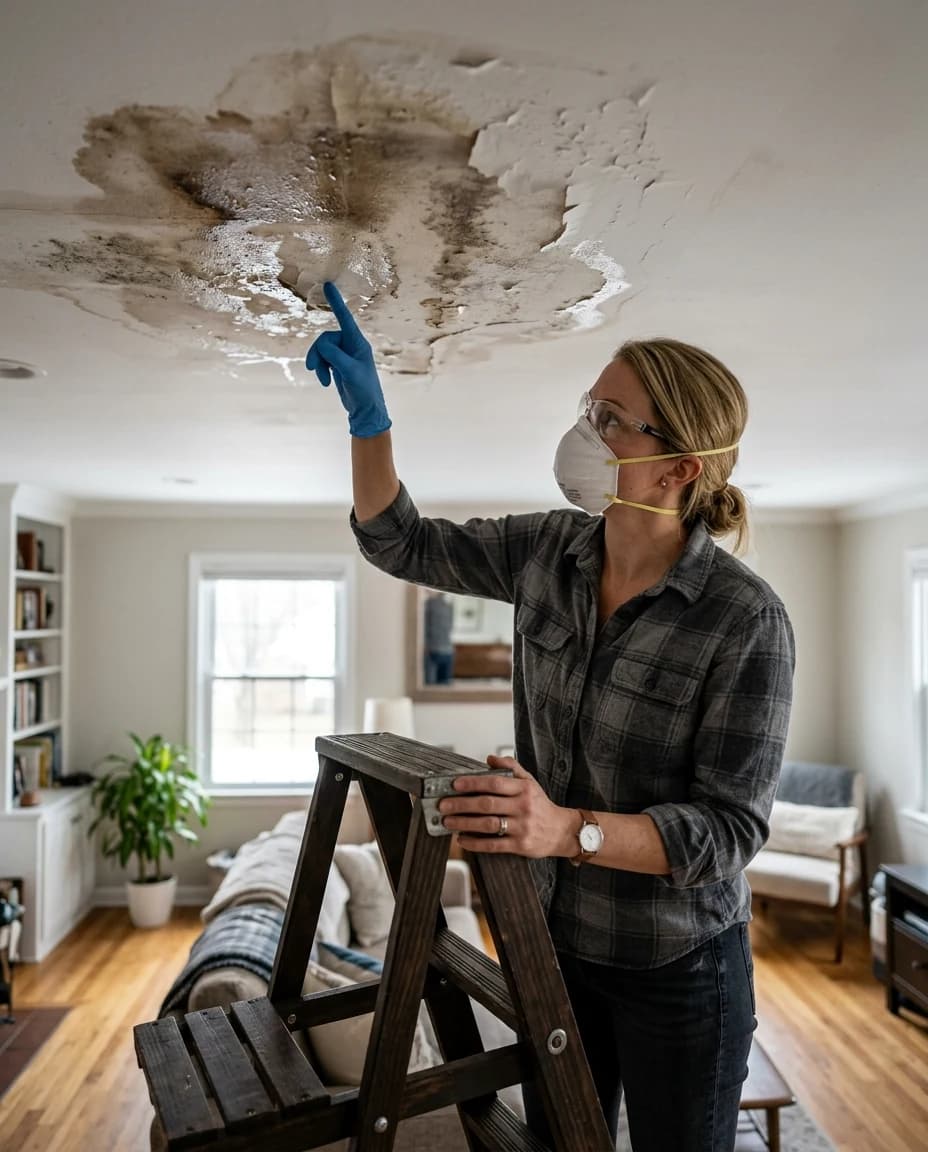
Early detection of water damage is crucial because it can prevent the escalation of minor issues into major, costly repairs. In Glen Rock, where the climate can be unpredictable, catching water damage early can save homeowners from severe structural damage and health risks. Regularly inspecting common problem areas, such as basements and attics, can help in identifying potential issues before they worsen.
Water damage, if left unchecked, can lead to the growth of mold and mildew, which not only causes unpleasant odors but can also pose serious health risks to you and your family. Mold spores can trigger allergic reactions and respiratory problems, making it imperative to tackle water damage as soon as it's detected. Furthermore, water damage can weaken the structural integrity of your home, affecting beams, drywall, and flooring, potentially leading to dangerous living conditions.
In Glen Rock, heavy rains and humidity are common, making homes more susceptible to water damage. By implementing a routine inspection every few months, you can identify leaks, cracks, or drainage issues before they develop into more significant problems. Consider scheduling professional inspections, especially after severe weather conditions, to ensure your home remains in top condition.
Water damage, if left unchecked, can lead to the growth of mold and mildew, which not only causes unpleasant odors but can also pose serious health risks to you and your family. Mold spores can trigger allergic reactions and respiratory problems, making it imperative to tackle water damage as soon as it's detected. Furthermore, water damage can weaken the structural integrity of your home, affecting beams, drywall, and flooring, potentially leading to dangerous living conditions.
In Glen Rock, heavy rains and humidity are common, making homes more susceptible to water damage. By implementing a routine inspection every few months, you can identify leaks, cracks, or drainage issues before they develop into more significant problems. Consider scheduling professional inspections, especially after severe weather conditions, to ensure your home remains in top condition.
What are the common signs of water damage?
Common signs of water damage include discoloration on walls or ceilings, peeling paint, and a musty odor. Homeowners should also look for damp spots and warped flooring, which can indicate underlying water issues. It's important to address these signs promptly to avoid further damage. For more details, you can check out our services page to see how we can assist.
Pay special attention to the following:
1. Stains or Spots: Brown or yellow stains on your walls and ceilings often indicate a leak in the roof or plumbing. These spots may grow over time, signaling continuous water exposure.
2. Bubbling or Peeling Paint: When water seeps into walls, it can cause paint to bubble or peel. This is an immediate red flag that moisture is trapped beneath the surface.
3. Musty Odor: A persistent musty smell is often a sign of mold growth due to ongoing moisture problems. This odor is typically strongest in basements, attics, or crawl spaces.
4. Warped or Buckled Floors: If your hardwood floors start to warp or laminate floors begin to bubble, this is a clear indicator of water damage beneath the surface.
5. Damp Carpets or Rugs: Unexplained wet patches on carpets or rugs can suggest a leak, particularly if they are not near a bathroom or kitchen.
6. Increased Utility Bills: A sudden spike in water bills can indicate a hidden leak in your plumbing system. Monitoring your water usage can help you spot discrepancies quickly.
By being vigilant and routinely checking these areas, you can catch water damage before it becomes a significant issue, saving both time and money in repairs.
Pay special attention to the following:
1. Stains or Spots: Brown or yellow stains on your walls and ceilings often indicate a leak in the roof or plumbing. These spots may grow over time, signaling continuous water exposure.
2. Bubbling or Peeling Paint: When water seeps into walls, it can cause paint to bubble or peel. This is an immediate red flag that moisture is trapped beneath the surface.
3. Musty Odor: A persistent musty smell is often a sign of mold growth due to ongoing moisture problems. This odor is typically strongest in basements, attics, or crawl spaces.
4. Warped or Buckled Floors: If your hardwood floors start to warp or laminate floors begin to bubble, this is a clear indicator of water damage beneath the surface.
5. Damp Carpets or Rugs: Unexplained wet patches on carpets or rugs can suggest a leak, particularly if they are not near a bathroom or kitchen.
6. Increased Utility Bills: A sudden spike in water bills can indicate a hidden leak in your plumbing system. Monitoring your water usage can help you spot discrepancies quickly.
By being vigilant and routinely checking these areas, you can catch water damage before it becomes a significant issue, saving both time and money in repairs.
What tools can help in detecting water damage early?
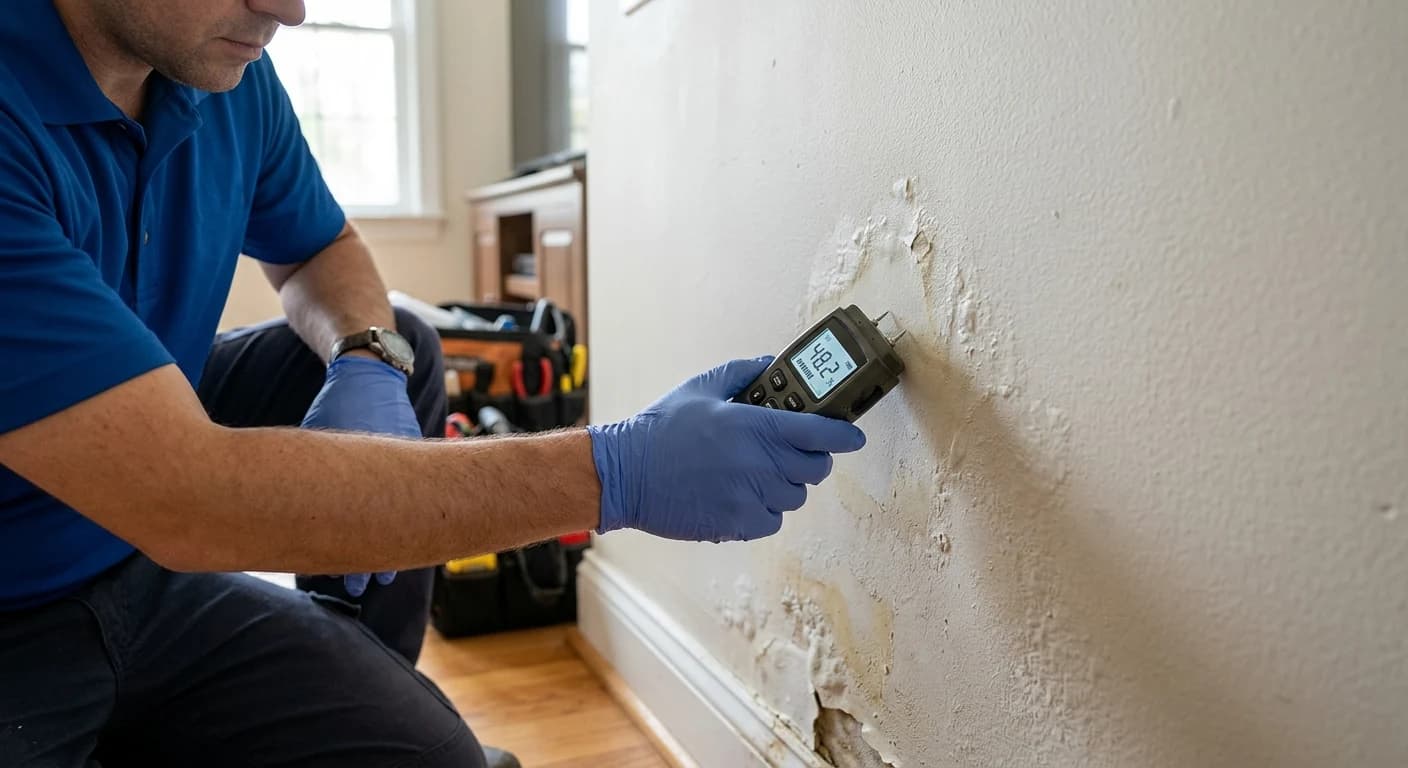
Moisture meters and infrared cameras are useful tools for detecting water damage that may not be visible to the naked eye. These devices can help identify moisture levels and temperature differences behind walls or under floors, allowing homeowners to address hidden problems before they become severe. Investing in these tools can be a wise decision for proactive home maintenance.
Here’s a closer look at how these tools work:
1. Moisture Meters: These devices measure the moisture content in building materials. By placing the meter on a surface, you can determine whether it is unusually damp. This is particularly useful for checking drywall, wood, and concrete. There are two main types of moisture meters: pin-type, which penetrates the material for a reading, and pinless, which uses electromagnetic signals.
2. Infrared Cameras: These cameras detect temperature variations, which can indicate the presence of moisture. Cold spots on the camera's display might suggest water intrusion, as wet areas cool down faster than dry ones. Infrared cameras are excellent for scanning large areas quickly and can be particularly useful in detecting leaks in ceilings or behind walls.
3. Hygrometers: These measure the humidity level in a room. High humidity can be a sign of water damage, especially in enclosed spaces like basements or attics. Keeping a hygrometer in these areas can help you monitor for unusual increases in moisture levels.
4. Water Leak Detectors: These devices can be placed near potential leak sources, such as under sinks or near water heaters. They emit an alarm when they detect water, alerting you to a leak before it causes significant damage.
By equipping yourself with these tools, you can maintain a proactive approach to home maintenance, ensuring that you catch and address water damage issues before they require extensive repairs. For more information on how to manage water damage effectively, visit our contact page.
Here’s a closer look at how these tools work:
1. Moisture Meters: These devices measure the moisture content in building materials. By placing the meter on a surface, you can determine whether it is unusually damp. This is particularly useful for checking drywall, wood, and concrete. There are two main types of moisture meters: pin-type, which penetrates the material for a reading, and pinless, which uses electromagnetic signals.
2. Infrared Cameras: These cameras detect temperature variations, which can indicate the presence of moisture. Cold spots on the camera's display might suggest water intrusion, as wet areas cool down faster than dry ones. Infrared cameras are excellent for scanning large areas quickly and can be particularly useful in detecting leaks in ceilings or behind walls.
3. Hygrometers: These measure the humidity level in a room. High humidity can be a sign of water damage, especially in enclosed spaces like basements or attics. Keeping a hygrometer in these areas can help you monitor for unusual increases in moisture levels.
4. Water Leak Detectors: These devices can be placed near potential leak sources, such as under sinks or near water heaters. They emit an alarm when they detect water, alerting you to a leak before it causes significant damage.
By equipping yourself with these tools, you can maintain a proactive approach to home maintenance, ensuring that you catch and address water damage issues before they require extensive repairs. For more information on how to manage water damage effectively, visit our contact page.
How to Prevent Water Damage in Vulnerable Areas
Preventing water damage in vulnerable areas of your home is essential to maintaining its structural integrity and avoiding costly repairs. One of the most effective strategies is to ensure proper drainage around your property. Start by cleaning gutters and downspouts regularly to prevent blockages that can lead to water overflow and seepage into your foundation. Make sure that the downspouts direct water at least three feet away from the house to prevent pooling near the foundation.
In addition to drainage, waterproofing basements and crawl spaces can significantly reduce the risk of water damage. Consider applying a waterproof sealant to basement walls and floors to keep moisture at bay. Installing a sump pump can also be beneficial, especially in areas prone to flooding, as it will actively remove water that accumulates in the basement.
Regular maintenance of your roof is another critical preventive measure. Inspect your roof for damaged or missing shingles, and replace them promptly to prevent leaks. Flashing around chimneys, vents, and skylights should also be checked and repaired if necessary, as these are common points of water entry.
Finally, consider installing a dehumidifier in areas with high humidity levels, such as basements or bathrooms. This will help to control moisture levels and reduce the likelihood of mold growth, which can be a secondary issue arising from water damage. By taking these preventive steps, you can protect your home from water damage and ensure a safe living environment for your family.
In addition to drainage, waterproofing basements and crawl spaces can significantly reduce the risk of water damage. Consider applying a waterproof sealant to basement walls and floors to keep moisture at bay. Installing a sump pump can also be beneficial, especially in areas prone to flooding, as it will actively remove water that accumulates in the basement.
Regular maintenance of your roof is another critical preventive measure. Inspect your roof for damaged or missing shingles, and replace them promptly to prevent leaks. Flashing around chimneys, vents, and skylights should also be checked and repaired if necessary, as these are common points of water entry.
Finally, consider installing a dehumidifier in areas with high humidity levels, such as basements or bathrooms. This will help to control moisture levels and reduce the likelihood of mold growth, which can be a secondary issue arising from water damage. By taking these preventive steps, you can protect your home from water damage and ensure a safe living environment for your family.
When to Call a Professional for Water Damage Assessment
While some water damage issues can be addressed with DIY methods, certain situations warrant the expertise of a professional. It's crucial to recognize when to call in experts to avoid exacerbating the problem. One such scenario is when you notice persistent signs of water damage, such as continuous dampness, recurring mold growth, or unexplained water stains that do not seem to dry out. These issues may indicate hidden leaks or structural problems that require professional assessment.
If your home has suffered from a significant water event, such as flooding or a burst pipe, it's advisable to seek professional help immediately. Water damage restoration experts possess the tools and experience necessary to thoroughly dry out affected areas, preventing further damage and mold development. They can also assess the extent of the damage and recommend necessary repairs or replacements to restore your home to its pre-damage condition.
In Glen Rock, where severe weather can lead to unexpected water damage, it's beneficial to have a local professional you can trust. Look for certified water damage restoration companies with positive reviews and a proven track record in handling similar issues. Professionals can also provide guidance on preventive measures to avoid future water damage, offering peace of mind and ensuring the long-term safety and value of your home. By knowing when to call in the experts, you can effectively manage water damage and protect your investment.
If your home has suffered from a significant water event, such as flooding or a burst pipe, it's advisable to seek professional help immediately. Water damage restoration experts possess the tools and experience necessary to thoroughly dry out affected areas, preventing further damage and mold development. They can also assess the extent of the damage and recommend necessary repairs or replacements to restore your home to its pre-damage condition.
In Glen Rock, where severe weather can lead to unexpected water damage, it's beneficial to have a local professional you can trust. Look for certified water damage restoration companies with positive reviews and a proven track record in handling similar issues. Professionals can also provide guidance on preventive measures to avoid future water damage, offering peace of mind and ensuring the long-term safety and value of your home. By knowing when to call in the experts, you can effectively manage water damage and protect your investment.